By Patrick Opio
Senior Communications Officer
Lira University has launched the M-Care Project, a global initiative, as an Official from the Health Ministry warns of the rising cases of non-communicable diseases (NCDs) in communities, revealing that out of every 100 deaths recorded, 35% are linked to these conditions.
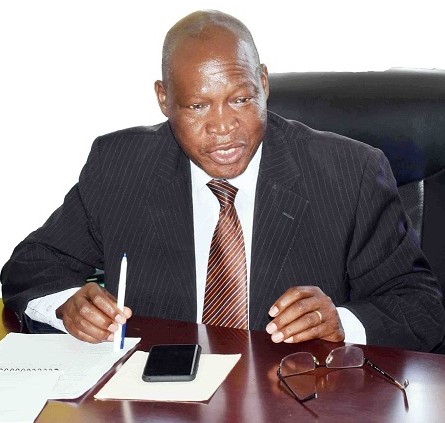
While launching the M-Care project in Uganda in Lira City, Dr Charles Oyoo Akiya, Commissioner for Health Services in charge of NCD Prevention and Control, said these diseases affect people of all ages, with such cases threatening to outnumber infectious diseases in near future.
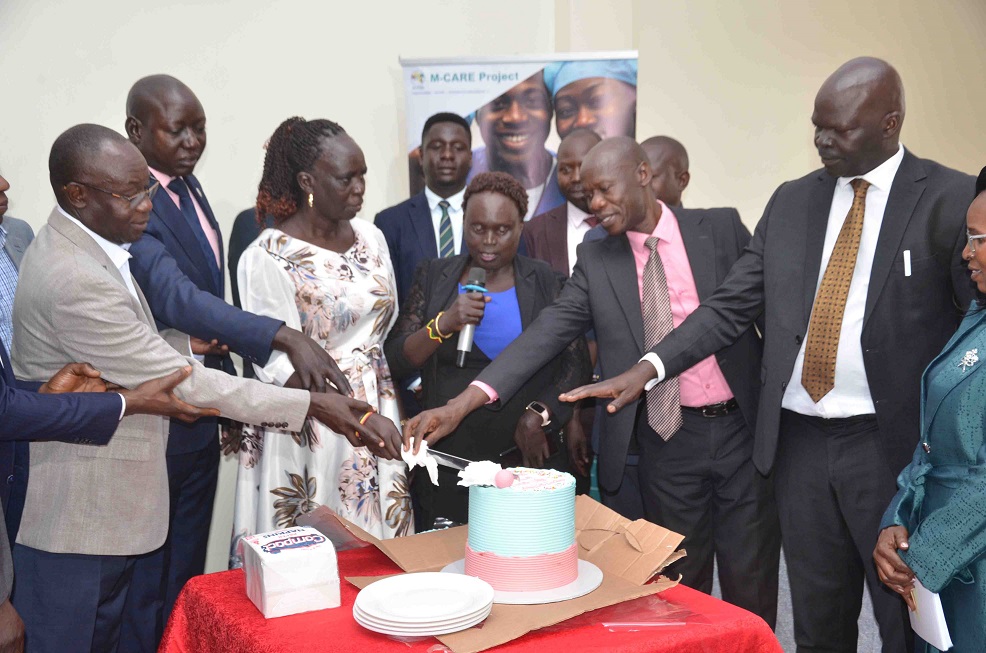
The launch took place at Margaritha Palace Hotel on 26th March 2026. The project, funded by the European Union, led by Lira University in partnership with others, aims to improve the management of chronic conditions.
M-CARE Project: Advancing Integrated Multimorbidity Care, Training & Research at Lira University Strategic Partnership with Amsterdam UMC and University of Amsterdam.
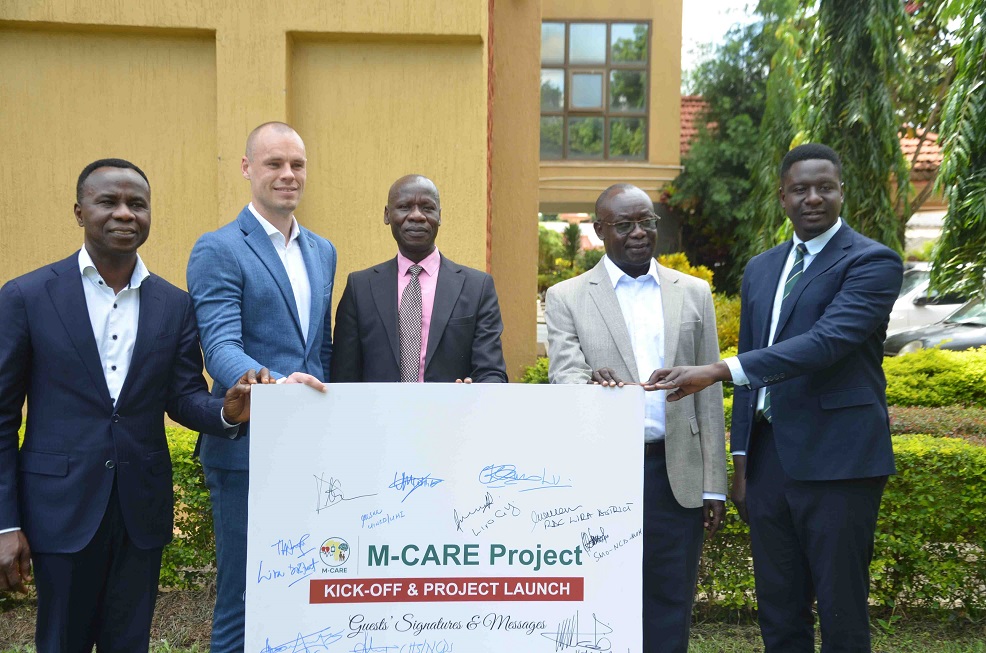
Signed, Launched: (L-R) Prof. Charles Agyemang, the overall Principal Investigator M-Care Project, Dr. Wouter Munneke, the overall M-Care Project Coordinator, Dr. Oyoo, Assoc. Prof. Omech and Ag. VC Dr. Ojulong Andrew after the launch.
Dr Oyoo warned that if urgent action is not taken, NCDs could soon surpass infectious diseases as the leading cause of death. “Public officers or staff, business communities, get out of your comfortable work place and do exercise regularly, sometimes you need to move out and dance yourself silly to kill stress or depression. It’s about you and your health, positive lifestyle. Do not overdrink alcohol, it’s a poison to your liver or throat!” the Commissioner explains further.
The €600,000 (about Shs2.5 billion) project will focus on integrating the management of chronic conditions such as hypertension, diabetes, and mental health disorders. It is a five-year initiative funded by the European Union.
The project will be implemented in 60 health centres across Lira, Oyam, and Kole districts, including Lira City. It also seeks to strengthen the capacity of health workers to better manage these conditions. Similar initiatives are being implemented in Ghana and Kenya.
Dr Oyoo noted that although the prevalence of NCDs is high, many of these conditions are preventable through lifestyle changes such as reducing alcohol consumption, avoiding smoking, limiting sugar intake, and cutting down on processed foods.
“The prevalence is high. If you assess 100 people, you may find that 35 have a related condition,” he said.
He added that many NCDs share common risk factors, emphasizing the need for a strong health system and multi-sectoral collaboration to address them effectively.
Assoc. Prof. Dr Richard Omech, the project’s Principal Investigator in Uganda, said the initiative will train healthcare workers at primary health centres to improve their ability to detect and manage multiple chronic conditions.
He added that the project will also deploy diagnostic tools at the primary healthcare level to enhance early detection of hypertension and diabetes, establish data-sharing systems to support clinical decision-making and patient referrals, and engage Village Health Teams (VHTs) to mobilize communities for screening and integrated health services.
“These diseases are common in our communities and are increasing rapidly across Africa. The World Health Organization has developed effective tools such as the WHO Package of Essential Non-Communicable Diseases Interventions (WHO PEN) and the Mental Health Gap Action Programme (mhGAP),” he said.
However, he noted that many countries have not fully adopted these tools to improve early detection and management.
Prof. Omech further explained that Uganda’s current health system often fails patients with multiple conditions, as they are required to make separate visits for each illness, leading to fragmented care and high out-of-pocket costs.
He decried Uganda’s emerging health challenge of rising burden of hypertension and diabetes, increasing mental health conditions and fragmented care at primary health care level.
“It is unfortunate that patients are treated in silos, not as whole persons, for example, treating hypertension, only one case, when actually the same patient may be suffering from other conditions like diabetes, HIV/AIDS, etc”, Prof. Omech explains.
Dr Andrew Ojulong, the Acting Vice Chancellor of Lira University, said NCDs such as hypertension, diabetes, and cardiovascular diseases are no longer rare in the region. Instead, they are placing increasing pressure on the health system and affecting the quality of life of families.
The acting VC noted that the M-CARE Project is particularly important because of its focus on strengthening primary health care systems. “By implementing interventions in selected primary health facilities across Lira District, Kole District, Oyam District, and Lira City, this project is well-positioned to bring services closer to the people. This approach aligns perfectly with Uganda’s commitment to universal health coverage and equitable access to quality care”, Dr. Ojulopng said.
As Lira University, Dr Ojulong noted, we are proud to be part of this initiative, our mandate as an academic institution goes beyond teaching—it includes research, innovation, and community engagement. The M-CARE Project exemplifies this mandate by integrating research with practical solutions that directly benefit our communities.
Dr Isaac Orec, in charge of Amach Health Centre IV in Lira District, identified substance abuse, particularly alcohol and drug misuse, as a major driver of mental health issues in the community.
He emphasized that empowering Community Health Extension Workers and Village Health Teams through training can help improve early detection and public awareness of risk factors.
A community member, Rosemary Acara, who is living with a chronic condition, suggested that ulcers should also be considered among chronic illnesses, noting that they are increasingly affecting many people.
According to the World Health Organization, NCDs kill between 41 and 43 million people each year, accounting for about 74% of all global deaths. Of these, 17 million people die before the age of 70, with 86% of such premature deaths occurring in low- and middle-income countries, including Uganda.
Other dignitaries who attended the colourful launch ceremony were Deputy VC Lira University (Academic Affairs), Assoc. Prof. Okaka Opio Dokotum, Dr. Wouter Munneke, the overall M-Care Project Coordinator, Prof. Charles Agyemang, the overall Principal Investigator M-Care Project and political leaders of the project implementation areas.
M-CARE Uganda Project Team are; Assoc. Prof. Dr. Barnard Omech – Principal Investigator (PI), Assoc. Prof. Judith Abal Akello-Co-Investigator, Dr. Kenneth Anyolitho – Co-Investigator (Co-I)/Project coordinator, Dr. Samson Udho – Co-Investigator (Co-I), Dr Alol Emmanuel – Early Career Researcher/ Psychiatrist, Ms. Rebecca Awili -Bio statistician , Mr. Daniel Chris Okello – Data Scientist, Mr. Okello Lambert- Early Career Researchers, Mr. Okello Innocent -Early Career Researcher, Mr. Acup Walter- Early career Researcher, Mr. Omia Geoffrey – Early career Researcher, Mr. Musosa Muzaham -Early career Researcher, Ms. Jastine Gutu- Early career Researcher, Mr. Kayizi Julius- Early career Researcher.