By Patrick Opio
Senior Communications Officer
State Minister for Higher Education, Hon. John Chrysostom Muyingo has lauded the National Council for Higher Education (NCHE) Exhibitions saying the yearly events provide a platform for universities, tertiary institutions, and research canters to showcase innovations, career opportunities, and academic advancements.
While officially opening the 16th NCHE Exhibition in Gulu City, Hon. John Chrysostom Muyingo challenged universities to shift their focus beyond theoretical instruction toward practical, solution-oriented education that aligns with national development priorities.
The Minister noted that Research should not remain in libraries but translated into innovations and products that can transform communities and drive economic growth.
NCHE Executive Director, Prof. Mary J. N. Okwakol noted that the exhibition is part of broader, ongoing efforts to strengthen the relevance and responsiveness of higher education in Uganda. She stressed the need for institutions to prioritise competence-based learning and to build stronger, more structured partnerships with industry, ensuring that graduates enter the workforce with employable, applicable skills that meet the demands of a rapidly changing economy.
Prof. Okwakol observed that higher education must move beyond theory to practical solutions that address national and regional challenges, acknowledging the limited funding that hinders the commercialisation of innovations developed by universities.
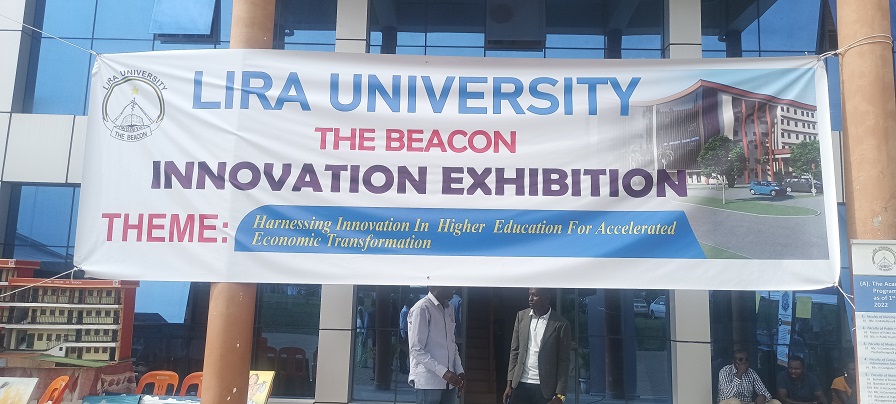
Lira University was among the institutions that took a centre stage at the National Council for Higher Education (NCHE) Exhibition 2026, held at Gulu University Graduation ground from 26th -28th March 2026. Themed “Harnessing Innovation for Accelerated Economic Transformation,” the three-day event attracted universities and tertiary institutions from across the country, offering a national platform for academic research, student innovation, and policy dialogue on the future of higher education in Uganda.
For Lira University, it was an opportunity to demonstrate the young university’s steadfast growing role as an engine of innovation, research and presented home-grown solutions to the challenges facing Ugandan communities.
Lira University Deputy Vice Chancellor, Assoc. Prof. Okaka Opio Dokotum noted that the exhibition acts as a venue for showcasing cutting-edge projects in areas like AI, renewable energy, digital health, and smart agriculture designed to address community challenges.
By promoting competence-based education, Prof. Okaka Opio Dokotum revealed said the exhibitions prepare students for the workforce and allow them to gain practical, industry-ready skills.
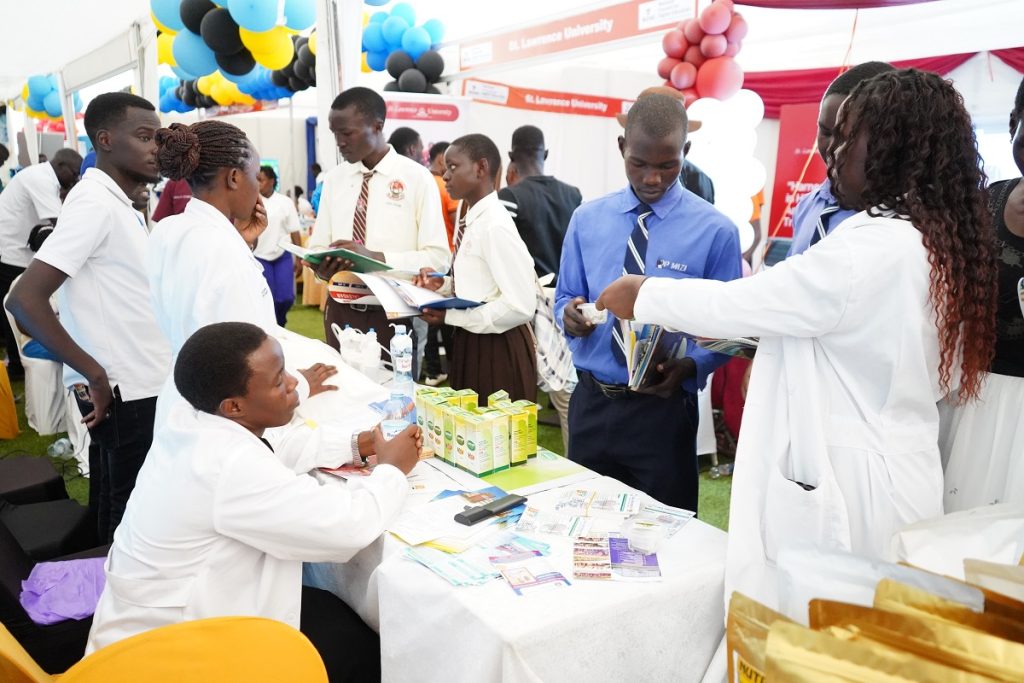
Assoc. Prof. Dr. Omech Bernard, the Director Graduate Training and Research, said the event connects universities with industry players, fostering partnerships for research and innovation. He added that the exhibitions offered crucial career counselling to students, particularly in regions like Northern Uganda, assisting them in making informed decisions about university programs, including those in science and technology.
Prof. Omech said that by rotating the venue, Exhibitions enhance regional development and networking. “The exhibitions promote regional development, boost local economies, and provide networking opportunities for stakeholders, including university leaders, educators, and policymakers,” he noted.
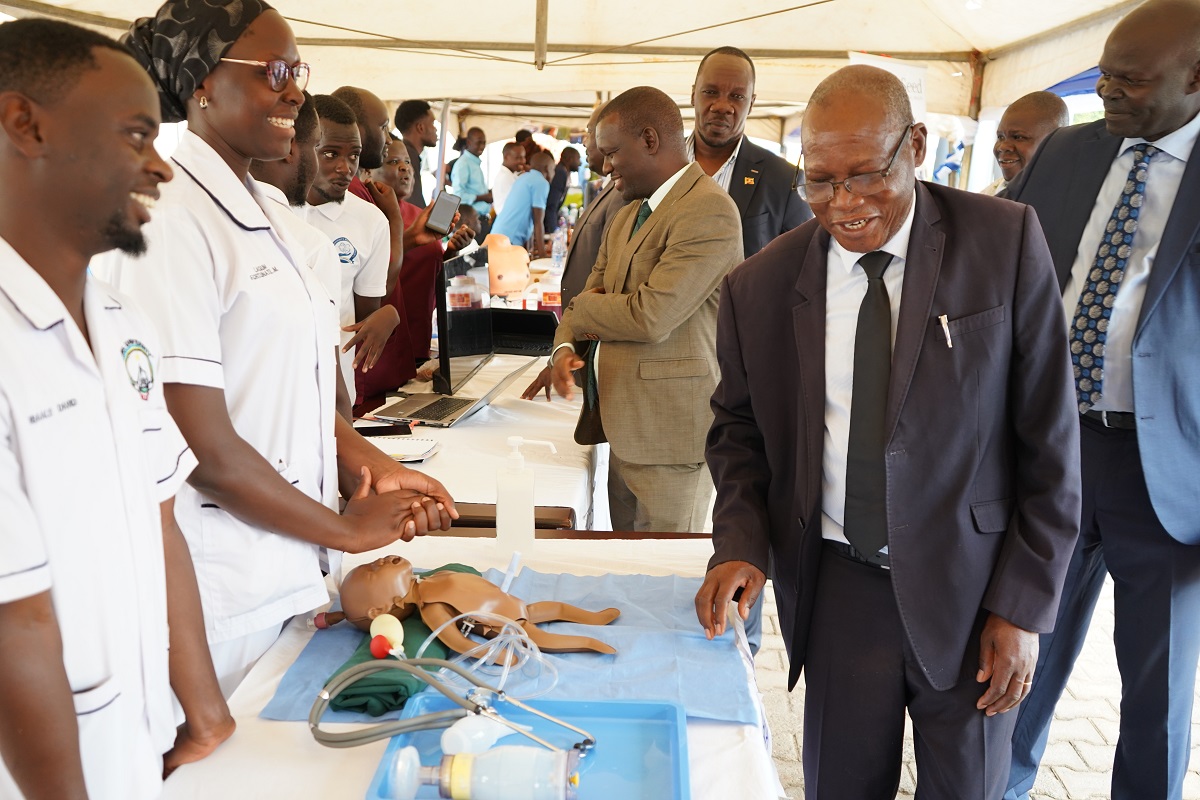
Lira University students and staff presented projects that cut across a wide spectrum of disciplines; including Computing, Agriculture, Nursing, Education, Business, and Visual Arts. The exhibits ranged from technology-driven applications to community-based interventions, each representing a potentially transformative response to real-world challenges facing Ugandan society.
The diversity of disciplines represented at Lira University stalls reflected the university’s holistic approach to education, one that nurtures not just technical expertise but a sense of civic responsibility among its students. Visitors to the stalls engaged with student presenters, explored prototypes, and had the opportunity to ask questions about the practical applications and scalability of the showcased solutions.